


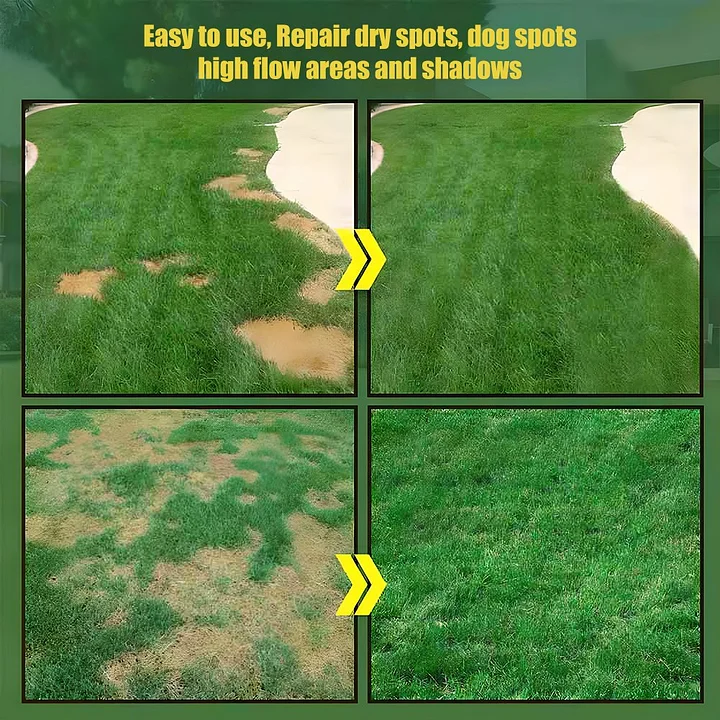
Fills Thin and Worn Areas
Use it to thicken an existing lawn or reseed areas where grass coverage has become sparse.
Evergreen Dwarf Grass Seed is designed for overseeding thin areas, refreshing worn patches, and creating a soft, vibrant lawn with a simple sow-and-water routine.
A simpler way to refresh tired lawn areas and build a greener, more polished landscape through the changing seasons.
Couldn't load pickup availability

















A low-maintenance lawn seed blend for overseeding thin grass, refreshing worn areas and establishing new coverage when soil and weather conditions are right.
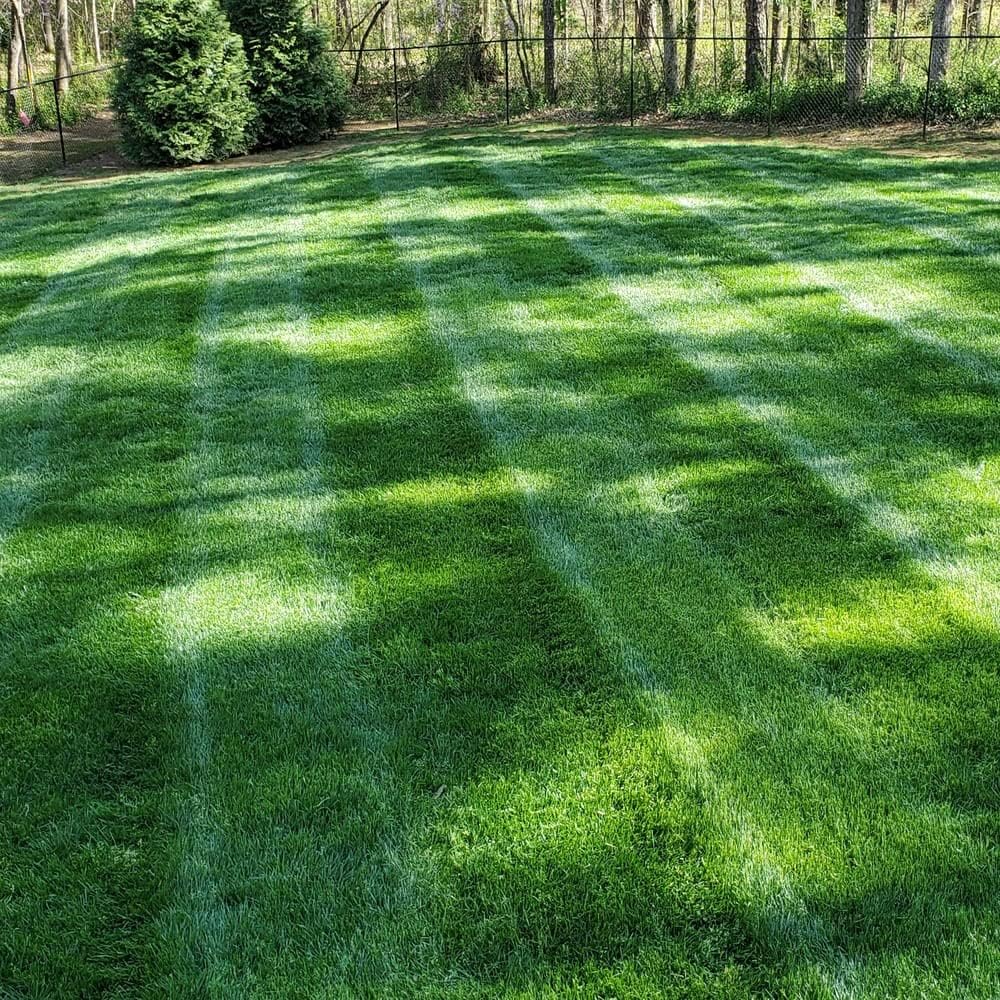
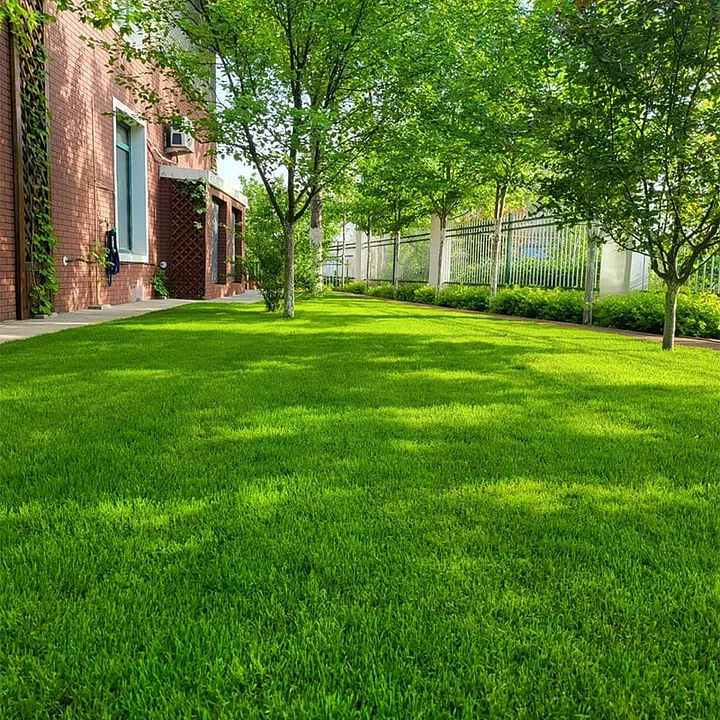
Thin growth, dry-looking patches and high-traffic areas can make an otherwise cared-for yard look unfinished. Overseeding adds fresh seed where the existing lawn needs more density, while new-lawn seeding helps establish coverage on properly prepared soil.
Clear preparation, even spreading and steady early watering matter more than complicated equipment.
Use it to thicken an existing lawn or reseed areas where grass coverage has become sparse.

First shoots may appear sooner, but allow approximately 7–14 days for normal germination under suitable conditions.
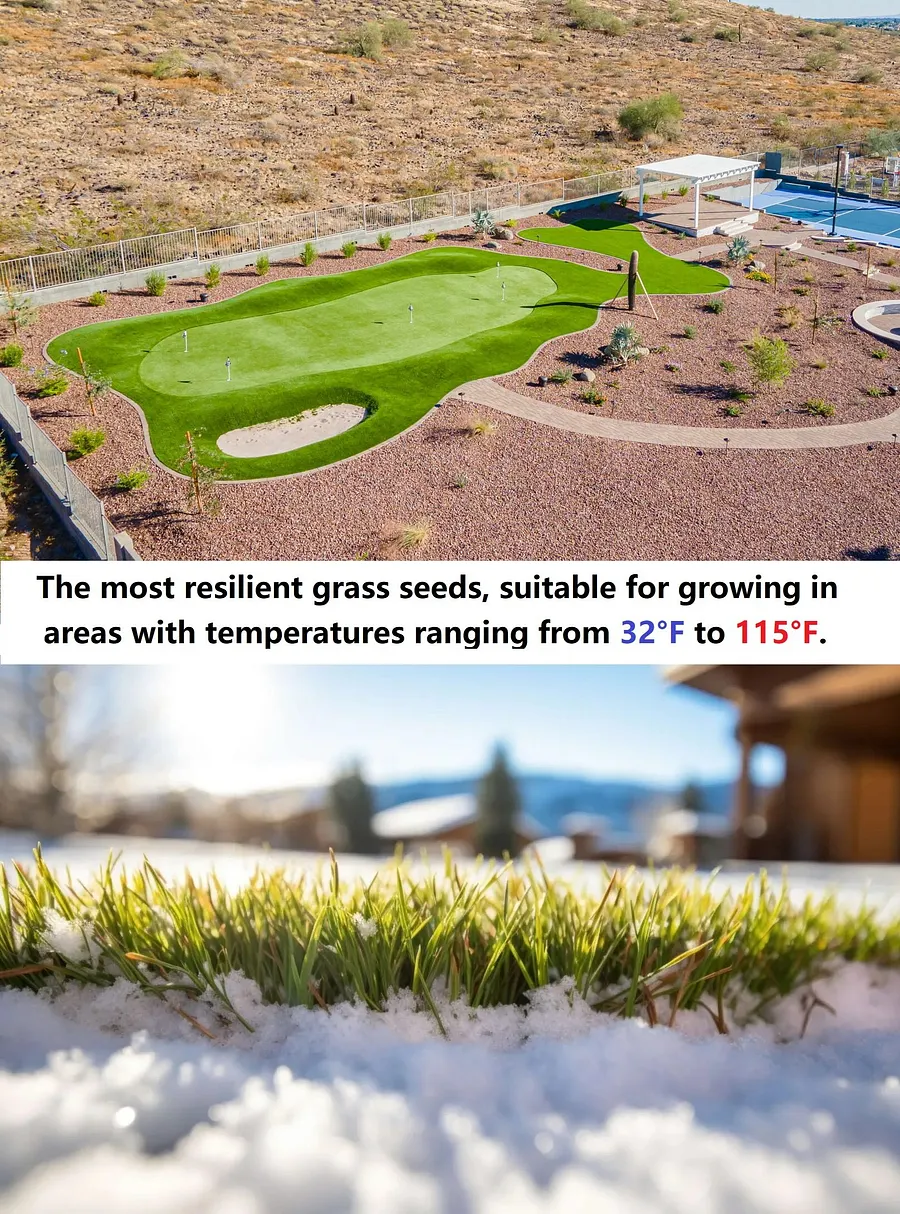
Best established during mild spring or fall weather, rather than peak summer heat or frozen winter conditions.
Build better coverage in everyday outdoor areas while choosing the planting window and care routine that suit your climate.

Refresh visible thin areas and create a more consistent lawn appearance.
Reseed worn ground after preparing the soil and following the package safety directions.
Support denser coverage where routine walking has thinned the existing grass.
Use in areas that match the sunlight requirements stated on the seed label.
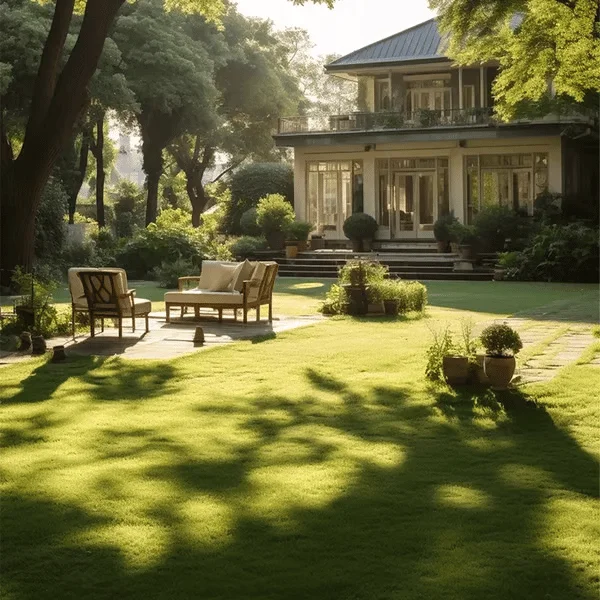
New soil needs a heavier application to build initial coverage. Existing lawns generally need less seed because the goal is to fill gaps between established grass plants.
Measure the area before sowing, spread evenly and avoid concentrating too much seed in one spot. Always prioritize the rate printed on the physical product label when it differs from general guidance.
Coverage varies with soil condition, application density and how much existing grass is already present.
Use a denser application on prepared bare soil or areas requiring substantial repair.
Use a lighter application to thicken an existing lawn and fill smaller gaps.

Remove debris and weeds, loosen the top layer and level the surface with a rake.
Broadcast the seed in two directions for more uniform distribution across the area.
Gently work the seed into the surface so it touches the soil without being buried too deeply.
Water gently and consistently during germination. Avoid puddling, runoff and drying out.
Growth speed varies by seed variety, moisture, soil temperature, sunlight and preparation.
Create good seed-to-soil contact and water gently after planting.
Keep the surface lightly moist. Do not allow the seedbed to dry completely.
Visible germination commonly begins during this window under suitable conditions.
Continue careful watering and limit heavy traffic while roots become established.
Individual results vary. Photos and comments below are reproduced from the original product-page content.
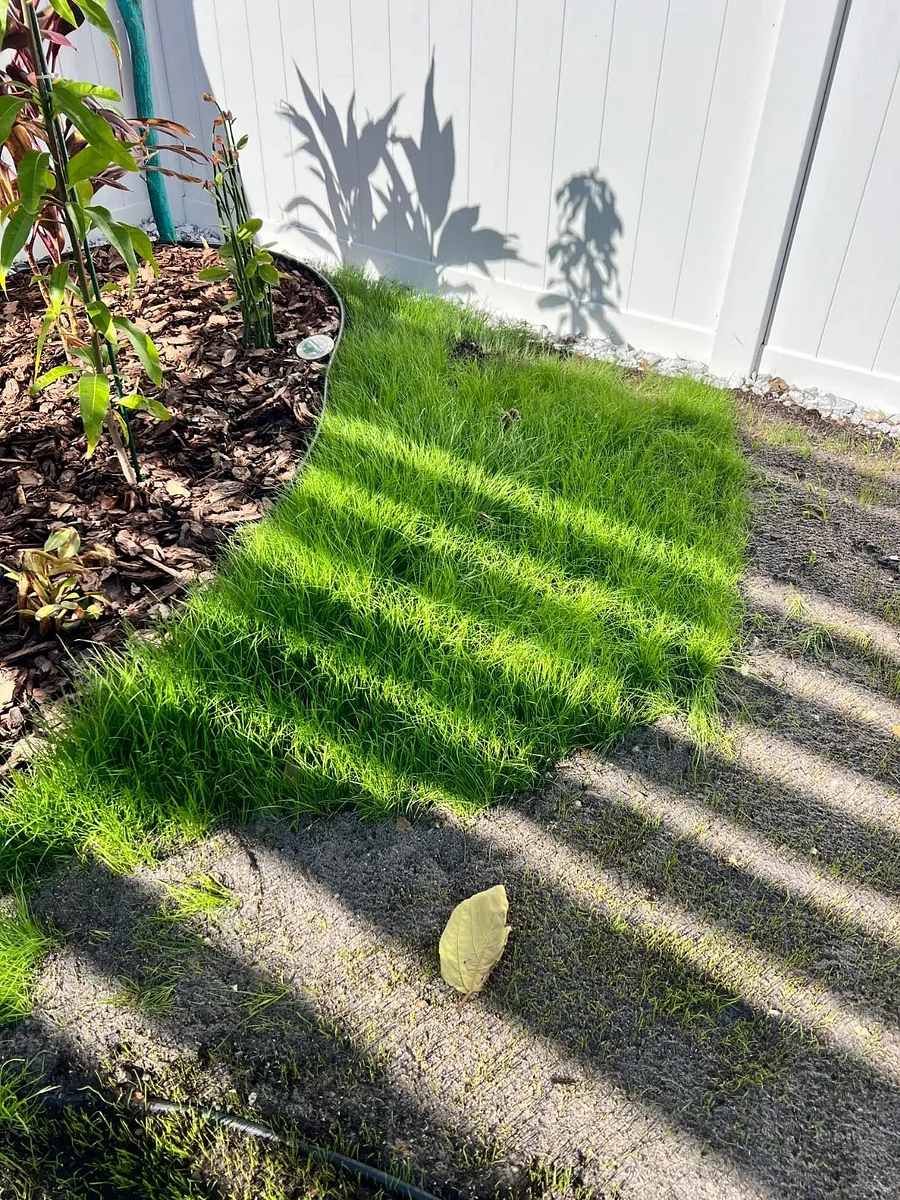
“I began seeing early growth within the first week, and the lawn looked noticeably fuller after about two weeks.”
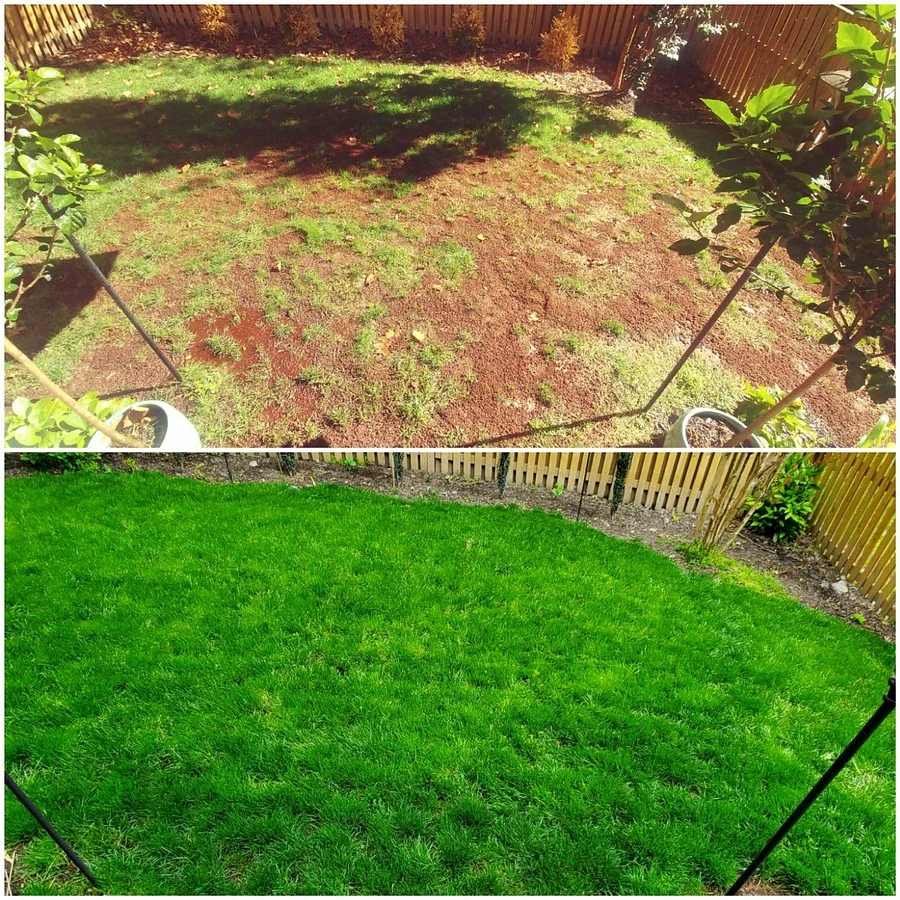
“We prepared the soil, spread the seed and stayed consistent with watering. We were excited to see green return to the backyard.”
Keep this information near your planting area during the first few weeks.
| Topic | Recommended approach |
|---|---|
| Soil preparation | Remove debris and weeds, loosen the top layer and level the surface before sowing. |
| Seed distribution | Spread evenly in crossing directions. A broadcast spreader can improve consistency on larger areas. |
| Planting depth | Rake lightly for seed-to-soil contact. Avoid burying the seed deeply. |
| Early watering | Keep the surface lightly and consistently moist without creating puddles or runoff. |
| Best season | Early fall is generally ideal for cool-season grass; early spring is the next-best window. |
| Early traffic | Limit walking, pets and play on newly seeded areas until the grass is established. |
| First mowing | Wait until the new grass reaches the height recommended for the varieties listed on the package. |
No single cool-season lawn blend performs identically everywhere. It is generally best suited to northern cool-season regions and parts of the transition zone. Deep Southern climates, extreme heat, drought and local watering restrictions may require a different grass type or seasonal strategy. Check the varieties and climate guidance printed on the physical seed label.
Approximate coverage stated in the original page content:
Always follow the seeding rate on the physical package if it differs.
Cool-season grasses usually establish best in early fall, followed by early spring. A soil temperature around 50–65°F is commonly favorable. Avoid peak summer heat and frozen winter soil.
Allow approximately 7–14 days under suitable conditions. Some varieties may emerge earlier, while cool soil, inconsistent moisture, excessive planting depth or poor seed-to-soil contact can delay growth.
Yes, for overseeding. Mow the existing lawn shorter than usual, remove loose thatch and debris, loosen exposed soil, spread evenly and water consistently. Seed resting only on dense leaves may not reach the soil.
Confirm this from the physical product label before making a safety claim. If the seed is untreated, keep pets away during soil preparation and early establishment to prevent disturbance or ingestion. Follow any package warnings for coatings, fertilizers or additives.
From pet-worn patches and shaded corners to thin existing turf, these lawn experiences focus on the situations this low-growing, four-season grass seed is designed to address.
Our dog had worn the same turning spot down to hard soil. I loosened the surface, spread the seed in two directions, raked it in lightly, and kept it damp every day. Small green shoots appeared first, then the patch gradually began blending into the rest of the yard.

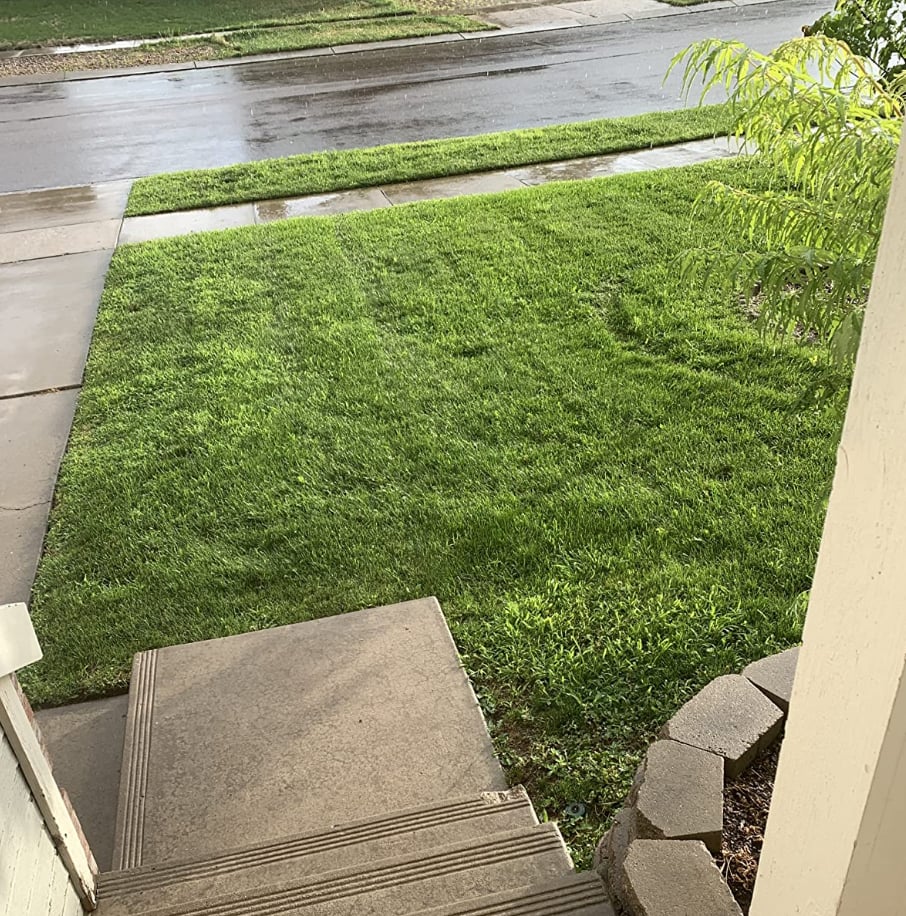

The narrow side of our house gets only a few hours of filtered light and always looked thin. I raked out the loose material, spread the seed evenly, and watched the moisture more closely than in the sunny areas. The new growth made that section look greener and much less patchy.

I am not much of a gardener, so I appreciated the straightforward process. I cleared the area, loosened the topsoil, sprinkled the seed, raked it very lightly, and watered without flooding it. The surface began filling in evenly without needing complicated lawn equipment.

I planted during a milder stretch instead of the hottest part of summer and kept the seedbed consistently moist while it was getting started. After the roots developed, the repaired area held its green appearance with less frequent watering than the delicate grass I had there before.

I used it in a narrow border where the old grass grew coarse and uneven. The new section developed a finer texture and stayed visually neater between trims. It gives the patio a softer green edge without looking tall or overgrown as quickly.

Our front yard still had healthy grass, but there were visible gaps between established sections. I mowed a little shorter, raked so the seed could reach the soil, and spread half in each direction. The fresh shoots blended naturally instead of looking like separate bright patches.

The route from our deck to the gate had become a thin brown strip. After reseeding, we temporarily moved the walkway and kept the surface damp while the roots established. The area gradually became denser and now looks more capable of handling normal family use.
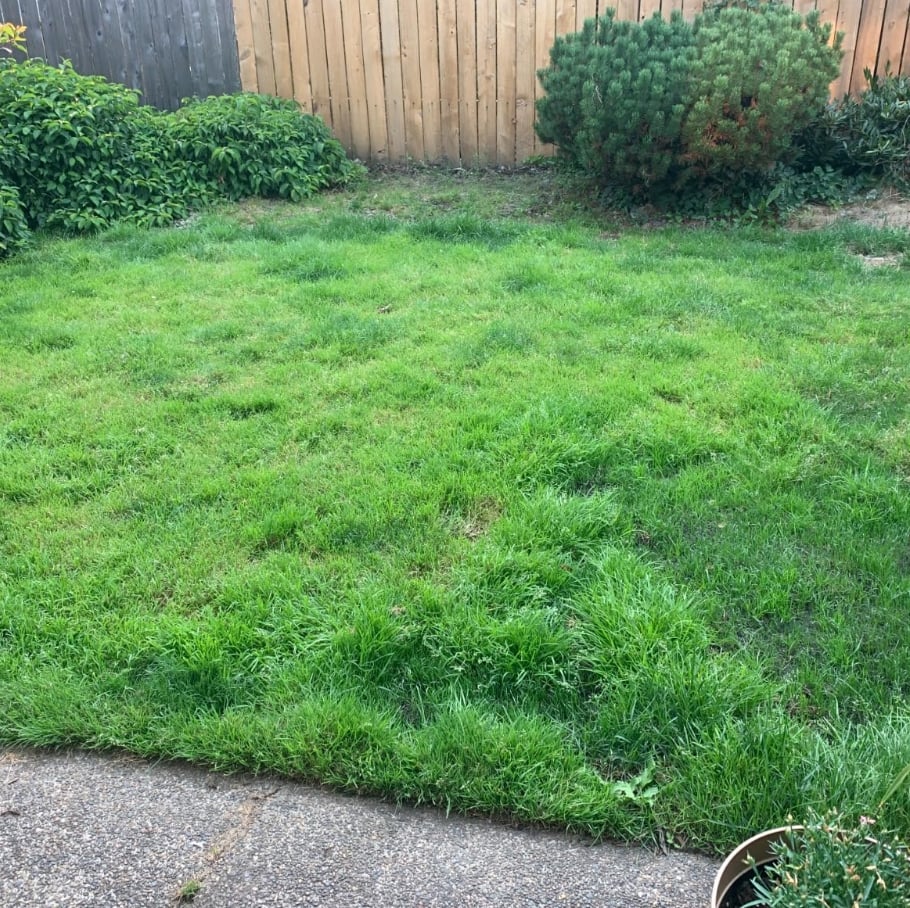
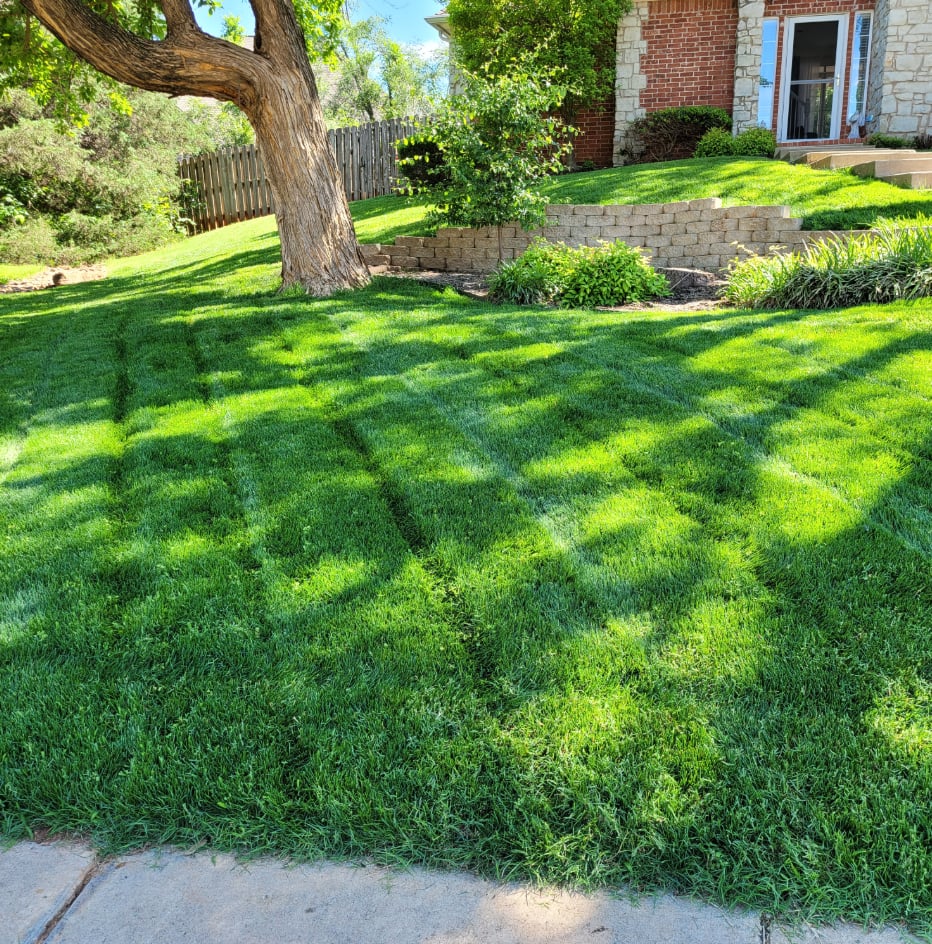
LOVQO Lawn Confidence
We want you to feel confident starting your lawn project with 2026 Evergreen Dwarf Grass Seed for Four Seasons. Designed for thin lawns, bare spots, worn areas, and new-lawn seeding, this low-growing grass seed helps create a denser, greener-looking outdoor space through a straightforward prepare, sow, rake, and water routine.
Use on prepared soil or overseed an existing lawn to help fill visible gaps, refresh worn patches, and build a more even, carpet-like lawn appearance.
The dwarf growth habit is positioned for a softer, lower-maintenance lawn. Consistent early watering and the right planting conditions remain essential while the grass becomes established.
Clear the area, spread the seed evenly, rake lightly for seed-to-soil contact, and keep the surface consistently moist. Early growth may appear in roughly 7–15 days when soil, temperature, and watering conditions are suitable.
*Germination speed, lawn density, seasonal color, and final appearance vary with seed variety, climate, soil preparation, sunlight, planting depth, watering, and maintenance. Follow the physical package label for seeding rates, regional suitability, safety information, and care. The 90-day guarantee and return wording must match the actual policy displayed by your store.